


Probably the last thing you want to think about when you’ve just filed your taxes for 2020 is your 2021 taxes. Even if your prep for the past tax year went well, it’s nice to not worry about taxes for a while. But as the overused cliché goes, income tax preparation should be a marathon, not a sprint. It’s something you should be thinking about and planning for year-round.
Now is the perfect time to start, while this past year’s tax issues are still fresh in your mind. After all, your current financial activities will impact your returns next spring. And you want them to have the right kind of impact, if possible. Note that if you haven’t filed your taxes, you’d better get on it. Our tips for last-minute e-filers can help—even if you’ve missed the deadline. The sooner you get caught up, the better! For everyone else, here are seven ways to keep income taxes in the back of your mind all year, with seven associated practical tips that can help make your tax experience next year a little more pleasant.
1. Learn How Life Events Affect Your Taxes
Major events in your life are likely to affect your 2021 taxes—in a big way sometimes. For example, if you get married or divorced, have a baby or adopt a child, or if a spouse or dependent dies or moves away from your home, your filing status and tax benefit eligibility can change.
Similarly, starting a college career, buying a home, or joining the ranks of the unemployed will alter the way you complete your 2021 1040. If you know ahead of time what impact these events (and more) could have, you might be able to make adjustments in other areas of your financial profile. The IRS has a helpful page about life events that you should consult for more specific guidance.
2. Pay Attention to Taxation Throughout the Year
If you’re a W-2 employee, consider the outcome of your 2020 taxes. Did you get a large refund? Or did you have to pay a significant amount? If either is the case, you should think about changing your withholding, especially if you’ve experienced or will experience one or more of the life events listed above. The IRS Tax Withholding Estimator may be helpful here. You’ll have to fill out a new Form W-4 to change your withholding status.
If you are or will be self-employed for the first time in 2021, you’ll need to estimate what you’ll owe in taxes every quarter based on your income and expenses for each period and send that amount to the IRS and state tax agencies. This isn’t easy, and it’s just an educated guess. But if you wait until taxes are due next spring, you’ll have to pay an entire year’s worth of taxes at once.
Two small business accounting websites, in particular, can help: GoDaddy Bookkeeping and QuickBooks Self-Employed. Both allow you to import and categorize your banking transactions. Based on that information, they estimate what you might owe every quarter.
You can get more information about estimated taxes on this IRS page. Having some information about where you stand with income taxes throughout the year will help with your ongoing tax planning.
Are you going to be self-employed for the first time in 2021? You need to start submitting quarterly estimated taxes to the IRS and state agencies.
3. Keep Accurate Records
This is especially important if you’re self-employed. You need to maintain thorough, accessible records of all of your business-related income and ensure you report all of the money that comes in. You also must document every expense and figure out the correct tax-related category for each. If you do this on paper, save every receipt in folders organized by month or category and make a note about its purpose.
Personal finance and small business accounting websites can help tremendously with this. You can import all of your banking transactions and the sites help you categorize them. These applications help with other bookkeeping tasks, such as budgeting and creating reports at tax time too. Very small businesses could get by with Mint.com (free) or Quicken. Larger or more complex companies might consider Intuit QuickBooks Online or Zoho Books.
If you’re a W-2 employee, you should still have digital or physical folders for storing documents such as charitable contribution records and property tax statements. When you start to receive forms such as your W-2 and 1099s next year, you can add them to the mix.
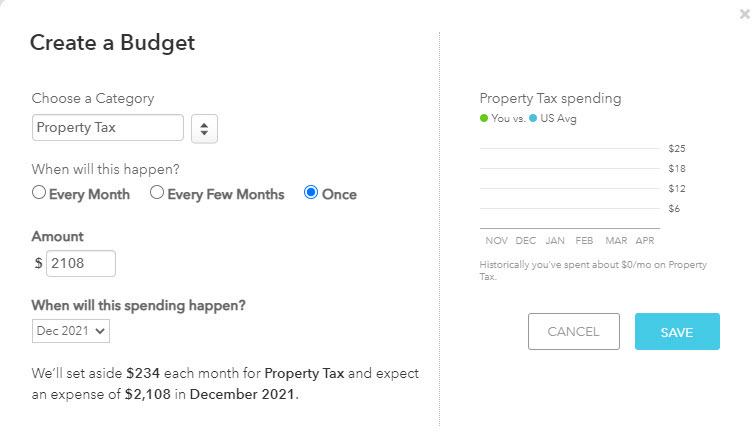
Free personal finance manager Mint allows you to set up budgets for tax-related and personal categories.
4. Learn More About Tax Deductions and Credits
The IRS Form 1040 and its supporting forms and schedules contain hundreds of deductions and credits that can save you a lot of money in tax breaks. If you do your taxes manually, it’s easy to miss some for which you are eligible. The trick is to be aware of them, so you know when an expense might be deductible as you go through the year.
The IRS has a page that lists all of the major deductions and some lesser-known ones, with links to detailed information. NerdWallet, an excellent personal finance website packed with tools and educational resources, has a guide to tax deductions and a list of popular credits and deductions for the 2021 tax year. You can also track your financial accounts here and get your credit score periodically for free.
Our Top Tax Preparation Software
Keep an eye on personal tax preparation websites and the year-round services they offer, too. Some maintain blogs that cover specific deductions and credits for 2021 and keep you up-to-date on tax law changes throughout the year. TurboTax and H&R Block offer extended services for individuals who use the sites’ tax preparation tools. Both assign you to a CPA or other tax professional who can answer your questions and troubleshoot your return via video chat. They’re available year-round to help with tax planning.
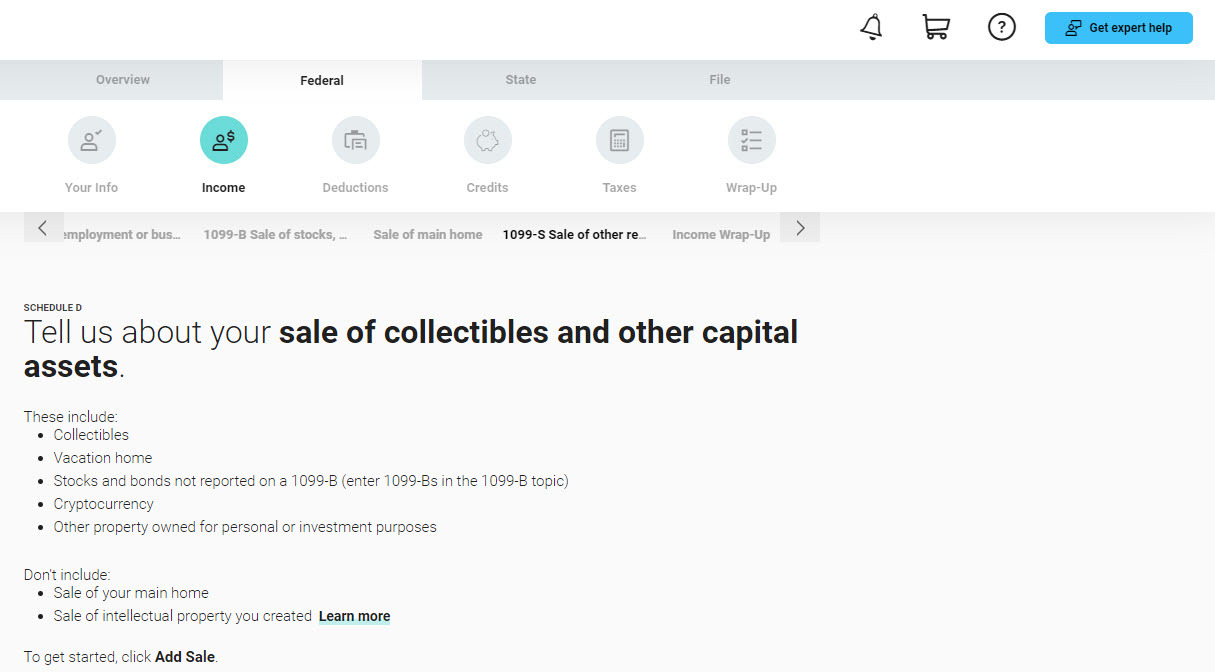
The IRS Form 1040 and its related forms and schedules contain hundreds of deductions and credits.
5. Save For Retirement During the Year
If you don’t already have an IRA or a 401(k), it’s time to consider investing in your future and making a dent in your tax obligation at the same time. If you do have one and aren’t contributing the maximum amounts, think about bumping up the total you put in.
Recommended by Our Editors
Self-employed individuals may not have the employer-matching option that W-2 employees do, but they can still put money away for retirement and claim these contributions on their tax returns. Your options include a Simplified Employee Pension (SEP) or a one-participant (solo) 401(k) plan. There’s also the Savings Incentive Match Plan for Employees (SIMPLE IRA Plan). You can get information about those products from financial institutions and on this IRS page.
6. Give Some Money Away
You don’t have to wait until December 31 to think about philanthropy. Donating money to qualified charitable organizations throughout the year usually translates to a tax deduction. In fact, for the 2020 tax year, non-itemizers were allowed to deduct up to $300 in charitable contributions. At this writing, we don’t know what Congress may do with this deduction for 2021, so keep an eye on tax-related news.
You won’t get a deduction for giving someone a gift of cash or property worth up to $15,000 during the year, but neither will you have to pay the IRS’ gift tax. This is a good way to reduce your taxable income while helping a family member or friend.
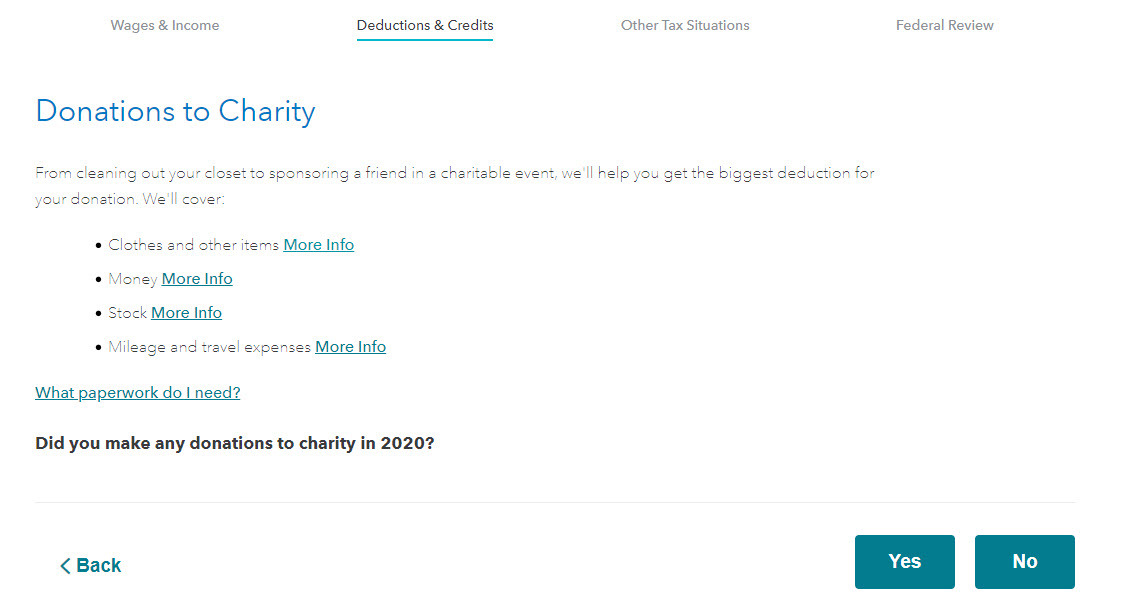
Donate money through qualified charitable organizations throughout the year to chip away at your income tax obligation.
If you’re self-employed and have to pay quarterly taxes, you have to do this anyway. Even then, though, you should be looking at your income and expenses monthly. If you’re using a personal finance or small business accounting application, this shouldn’t be a problem. You can even get a rough idea of the balance between incoming and outgoing money by using a paper system and a calculator or Excel.
Keep a copy of your 2019 and 2020 tax returns handy. Even though tax law changes for 2021 won’t be finalized until the end of the year, you can see why you got the refund you did or had to pay in as much as you did over the last couple of years. These returns are also useful for figuring out your total tax obligation over the past few years. Unless your financial situation has changed drastically, you can get expect a similar tax obligation.
Keep Track of Your Taxes All Year
Tax planning should be a natural part of your overall financial planning—and it should go on for all 12 months of the year. If you treat it like that, you should find that preparation and filing season won’t be nearly as painful and panicked. When it does come time to file, tax software can help you get a bigger refund and reduce your risk of an audit.
This newsletter may contain advertising, deals, or affiliate links. Subscribing to a newsletter indicates your consent to our Terms of Use and Privacy Policy. You may unsubscribe from the newsletters at any time.